We’re back!

Steve and Meegs, the blog, has been dormant for quite some time (seven years actually!!). Since our last post a lot has happened. Here’s a quick snapshot…

– Moved back to Adelaide

– Charlie, the kelpie puppy, joined us

– moved rental properties 3 times

– started a business

– worked in the mines

– got married

– bought a house

– survived the global pandemic

– had 2 children

– changed professions

– bought an old caravan, did it up, sold it

– bought another caravan

– been on countless holidays and getaways within Australia

Now that you’re all caught up, we are away on a 4 week family holiday and we thought we’d post every now and then so family and friends can check out what is happening if they want 😊 Enjoy.

Day 1: catch ya later Oamaru

Today we left Oamaru, heading south with no real plan and no time restraints – living the dream. We’ve spent the past two weeks with my family and it has been so great relaxing and catching up. But, the real adventures began today! We got out of town and made it to Hampden (not more than 30kms) before I realised I had left my wallet behind! Good start haha. 
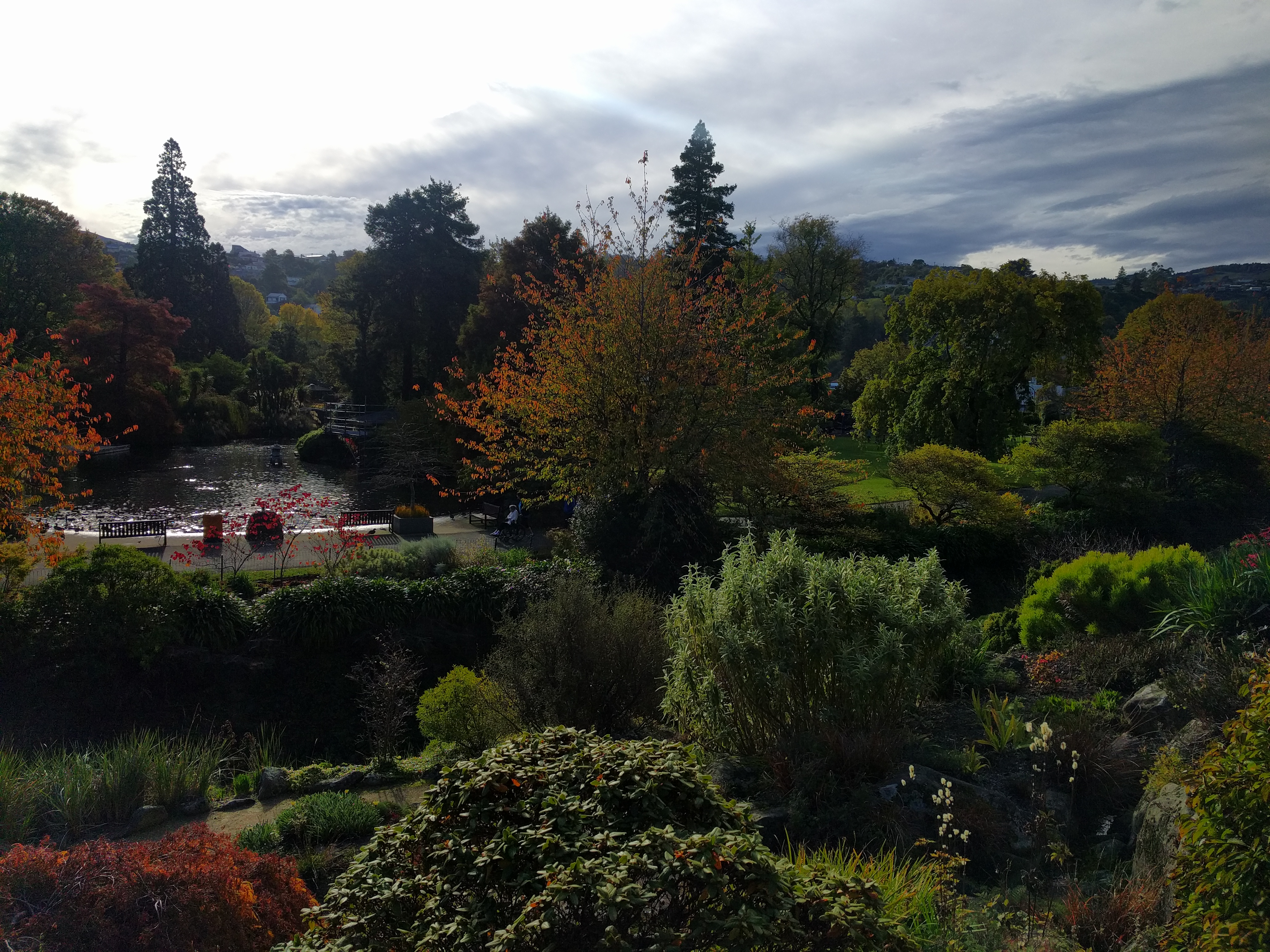
After that little setback we were on the road again. We stopped in Dunedin and enjoyed the sites there. The public botanic gardens were a highlight. 

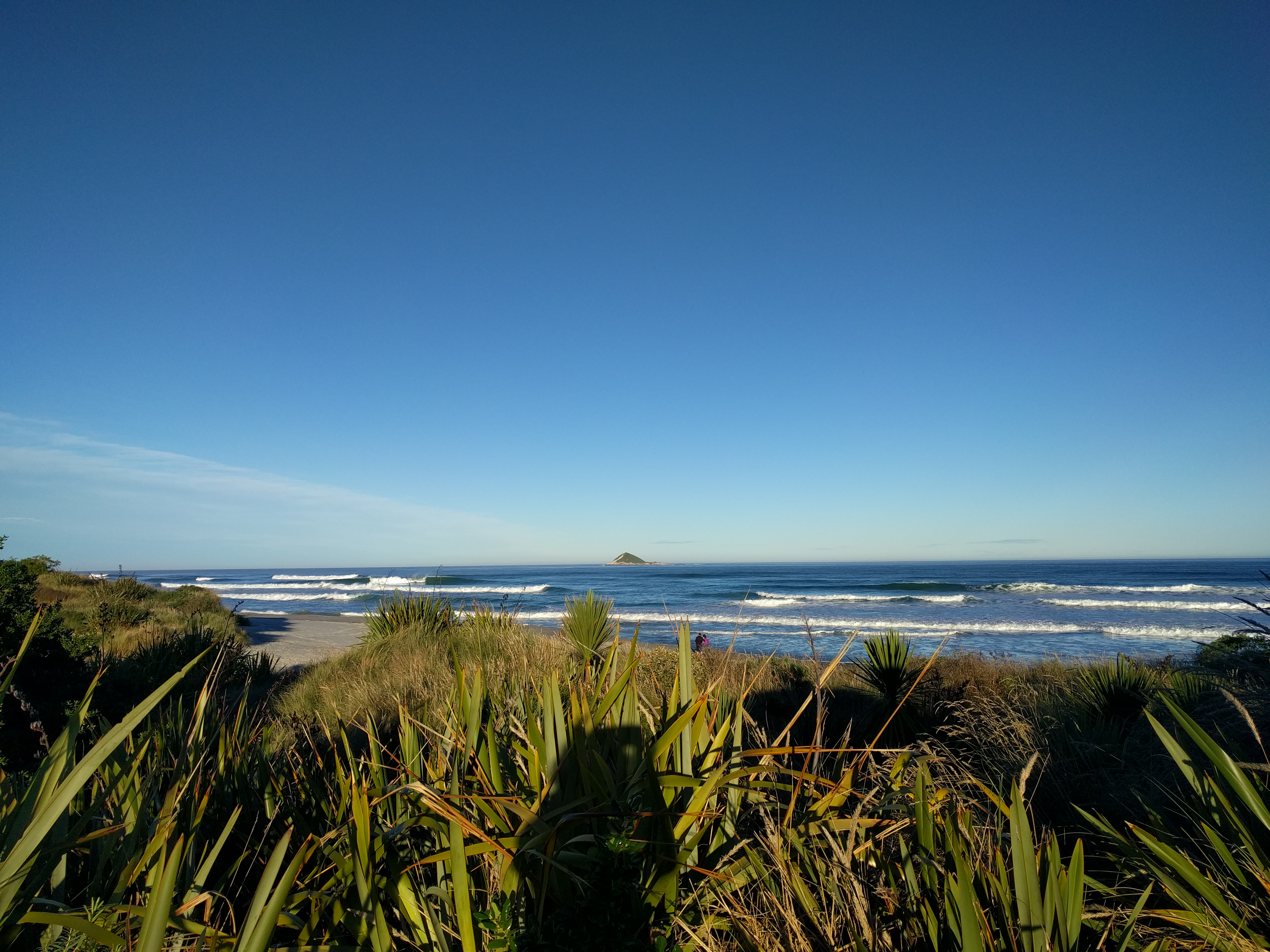
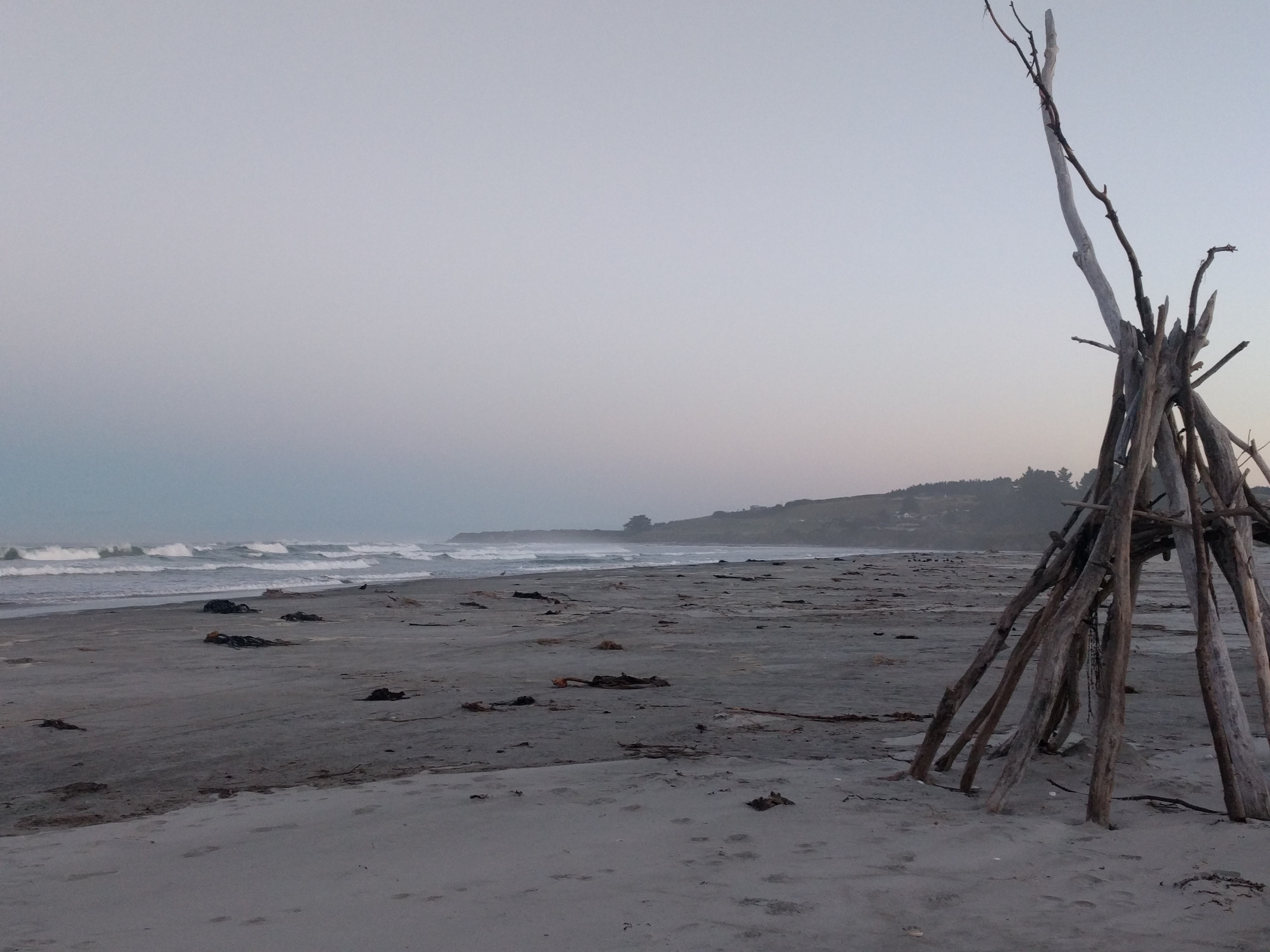
After exploring Dunedin we drove along the coast, through Brighton, down to Taieri Mouth. The coast line is quite spectacular, with nice sandy beaches, native plants, and rolling hills. 

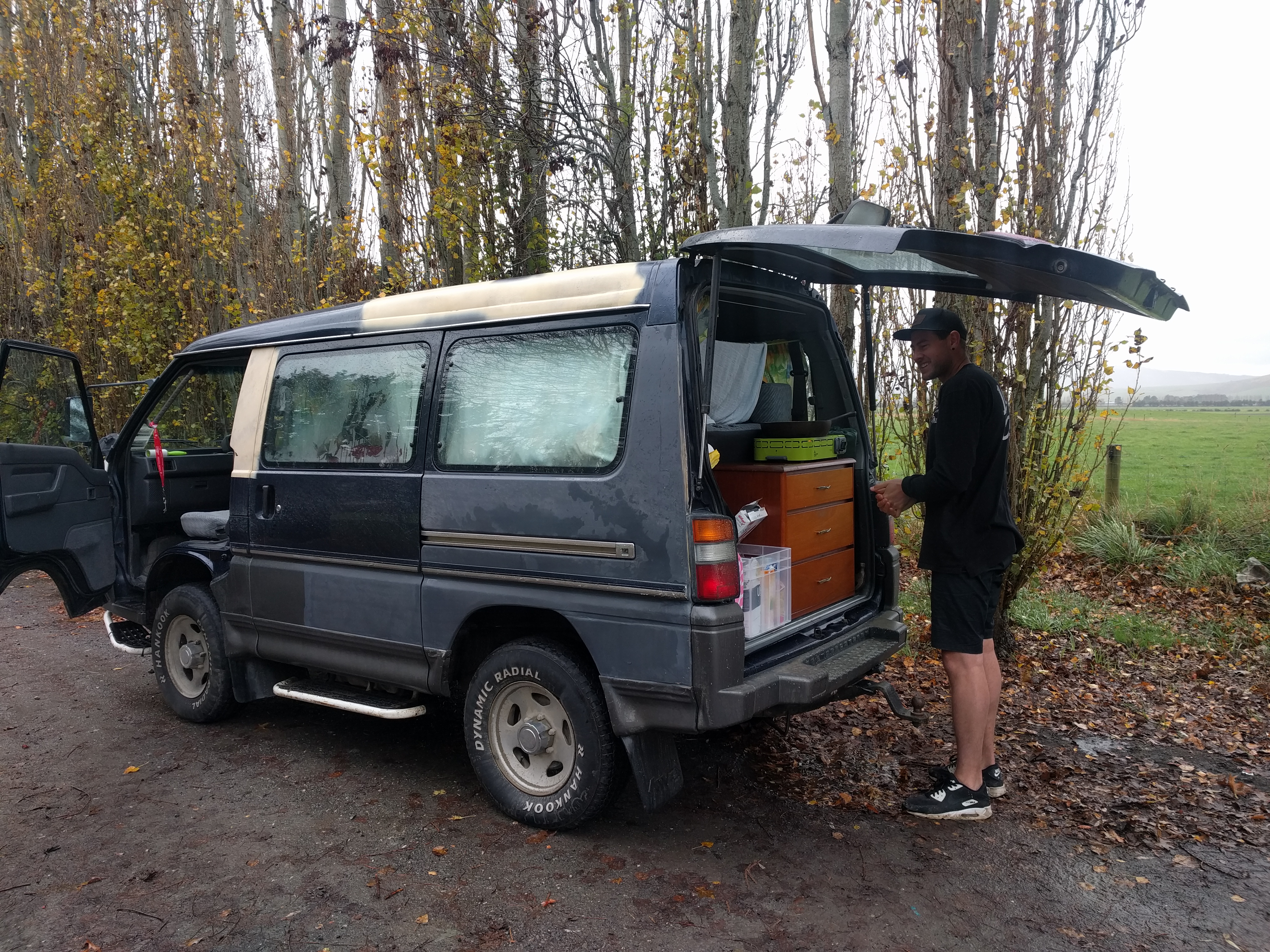
It’s our first night sleeping in our van, aka ‘Patchy’ (named after the terrible primer patches on the side!). We’ve decked Patchy out with curtains and a double bed, and have been lucky enough to borrow a whole heap of cooking and camping equipment from my family (thanks whanau!) 

It’s quite cold and has started raining so off to bed for us – wish us luck! 


Sweet dreams. 

M & S. 

Tokyo in a nutshell

We spent 4 days in Tokyo and they were jam packed full of sightseeing and activities, definitely no time or energy to write in the blog, so I’m playing catch up now. Zane and Sam happened to be in the city at the same time as us, so it was great to catch up with them and do things together. Tokyo is so huge, we would love to spend 2 weeks here exploring, but alas our time has come to an end and we have barely scratched the surface of all that Tokyo has to offer. Here is a quick rundown on all things Tokyo.

Shinjuku alley ways: we arrived into Narita airport in the afternoon on the 9th of April, caught a bus to Shinagawa station, checked into our hotel, met up with Zane and Sam and then made our way to Shinjuku. Shinjuku station is the world’s busiest railway station (I think). I read that it handles more than 2 million passengers every day! There’s lots of tall buildings, flashing lights, malls, department stores, and wide clean streets. We walked around for a bit, and then made our way to Piss Alley, which is quite the opposite of what I just described above. It’s cramped and dingy, and a local hotspot! It’s a series of small restaurants and bars stuffed as tightly as possible into narrow alleys wide enough for one person to walk through. The first night we ate delicious barbecue and drank litre glasses of beer, and the second night we liked it so much we returned and ate at a popular Japanese spot too. It was great!

Shibuya crossing: Shibuya is known for its packed shopping areas, restaurants and nightclubs and is an extremely popular area for tourists. Shibuya crossing is apparently the most famous crossing in Japan. It’s a 5-way intersection heavily decorated with neon lights, huge video screens, and advertising and gets flooded by pedestrians each time the crossing light turns green. I’m pretty sure a fair few movies have used this crossing, and lots of people come to get professional photos taken there. It was cool, something to tick off the bucket list.

Temples and shrines: We visited a few different temples and shrines around the place. They are all very peaceful and calm. The intricacies on the buildings are beautiful and elaborate.

Snowboarding street: Stephen was most excited about this part of the trip, an entire street dedicated to snow gear shops – boards, boots, bindings, accessories, apparel, you name it and you could probably find it here. He executed extreme self-control and only bought one new jacket, but there was definitely a lot we could have spent our money on!

Golden Gai: Another well-known area in Shinjuku, we made our way to Golden Gai for drinks one night. Again, it is one of those rare places in Tokyo that hasn’t been bulldozed and redeveloped. We heard rumours that it will be before the 2020 olympics, which will be quite sad, as the area has a lot of character. It’s down-to-earth, locally minded and still wonderfully bizarre. It’s a couple of blocks of packed, slightly ramshackled, buzzing alleyway bars. Most bars will fit around 3 to 10 patrons at a squeeze (super small!). In the last bar we visited the owner, a great middle aged Japanese man who loved to play the guitar, got us all singing along to Japanese classics – it was great!

Aqua Park: Tuesday rained ALL day, and not just a light sprinkling, absolutely pouring rain. There was an ‘Aqua Park’ a short walk from our hotel, not somewhere we probably would have visited if it weren’t for the rain, but being inside and dry seemed far more appealing than anything else we could come up with, so away we went. Well, it was so much better than we expected. They had an amazing array of tropical fish, an incredible jellyfish experience, and some great freshwater sections too. Unfortunately, there were 2 big sea turtles and some large stingrays in a small enclosure that really didn’t seem fair (and wasn’t really necessary to the overall experience of the park) and a dolphin show which we didn’t pay for or attend. But overall it was a great way to pass time on a rainy day.

Street Go-Karting: I don’t think you can go to Tokyo and not ride around the city in go karts dressed up as iconic characters. Zane and Stephen dressed up as Mario and Yoshii from the Mario cart game, while Sam dressed as Eeyore and myself as Stitch (from Lilo and Stitch). It was so much fun! I almost pulled the pin on the whole experience as it was absolutely bucketing with rain ALL day and I was nervous to be in those rickety little karts amongst the Tokyo traffic in the rain, but come 8pm (when we were due to go carting) the rain eased. We drove past Tokyo station, through Ginza and back to the cart place in Akihabara. The two guides that were with us took so many photos and transferred them all to us at no extra charge. The whole experience was so much fun and really good value for money (you just have to look past the fact you have no seatbelt, no safety gear, and drive about 50km through busy Tokyo traffic in a tiny kart! Haha).

Fish market: Well what a story we have to tell about the world-famous Tokyo fish market! At 5am every morning the fish market auctions of some of the largest tuna and fish in the world. Stephen was so keen to see this, and they let 120 visitors into the auctions each day. So, on our final morning in Tokyo we decided to go. We got up at 4am (after not getting to bed until 1:30am mind you) and made our way by train to the markets. We walked for about 1.5kms and got there just after 5am, but…it was closed! Can you believe it! It is only closed a couple of days a month, and we happened to go on that day. What a shame. And because of how early in the morning nothing was really happening at all. A handful of vendors were open selling sushi or soup, but no market stalls and definitely no auctioning.

Yoyogi park: With the fish market not being open it was 5:30am and we had nothing to do and nowhere to go, so we made our way to Yoyogi park. This took Stephen and me on our first subway ride in Tokyo, which was good. When we got to the park it was simply breathtaking. The sun was low in the sky, still rising, the air was crisp and clean, and once you walked through the gate you had completely no idea you were in the middle of one of the biggest cities in the world. It was like a hidden paradise. We walked under ‘Otorii’ the biggest shrine gate of the myojin style in Japan! It stands 12 metres tall and 17 metres wide, and the wood steamed in the morning sun. I could have spent all day in this park. But at 9am we said farewell to Zane and Sam and made our way back to the hotel to pack and check out. What a great way to end our Japan adventure.

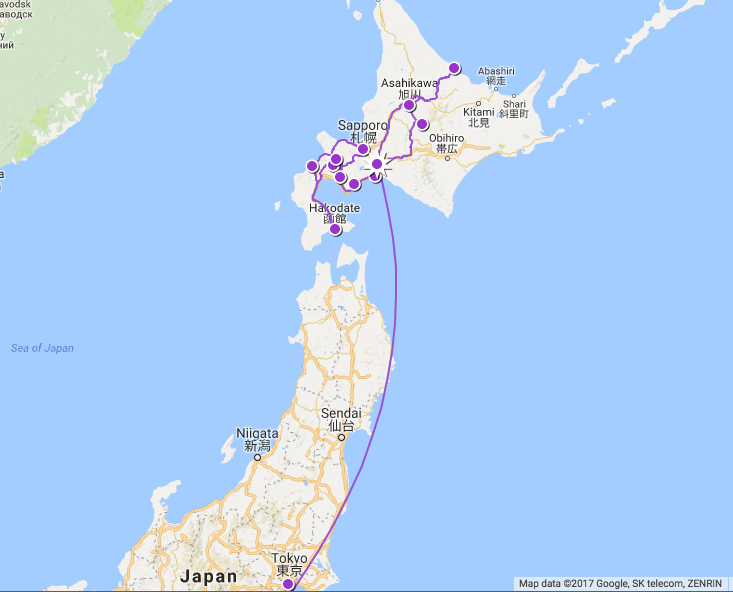
Catcha ya later Hokkaido, Tokyo here we come!

What a season! We have had the best four months here in Hokkaido. Working a season overseas was not something I had ever imagined myself doing, but something Stephen had always wanted to do. I’m so grateful that he introduced me to the idea and together we made it happen before we turn 30 later this year. So many fantastic memories have been made. We are due to board our flight in less than an hour and make our way from Sapporo to Tokyo. Marie and her boyfriend, Yoshimi, came to the airport to say goodbye, which was lovely and a little bitter sweet. But we hope to see them again in Australia in the not too distant future.

1


I’m blue, da ba de, da ba die

Today we drove to the city of Asahikawa where we will base ourselves for the next 2 days. Along the way, we stopped at the Shirahige waterfall and saw the Blue River, as well as visiting in the Blue Pond in Biei. We tried to find an Ainu museum (Ainu people were Hokkaido’s first peoples), but unfortunately, we couldn’t find the museum and it was getting late so we had to give that a miss and check into our hotel.

Shirahige falls and the blue river, although not huge, were really interesting and quite beautiful. The waterfall stands around 30 metres tall and the water actually flows from ground water and comes out between gaps in the rocks. The colour appears blue because of the minerals in the ground water.

Then, just a short drive away we visited the Blue Pond. Unfortunately, it was still completely frozen over, however it was still pretty (I’ll put a photo from google so you can see what it looks like when it’s not frozen too).

This slideshow requires JavaScript.

Shabu-shabu

After a busy day of sightseeing Stephen and I arrived into the city of Tomakomai. Tomakomai is located on the southern coast of Hokkaido and is the fifth largest city. We are only stopping over for the night, but we managed to walk around the streets a little bit and have the most delicious dinner.

Let me introduce you to shabu-shabu. Shabu-shabu is a Japanese hotpot dish of thinly sliced meat and vegetables boiled in weak watery broth (called dashi). The term is an onomatopoeia, derived from the sound your food makes when the ingredients are stirred in the cooking pot and served with dipping sauces. It’s a great experience because you cook the food piece by piece at the table, and then dip it into whatever sauce you like. There are 2 traditional sauces: ponzo and sesame. Ponzo looks like watery soy sauce but has a kind of bitter tart taste. Sesame is literally sesame seeds crushed up with a tiny bit of dashi added to make it smooth.

Tonight we chose two types of dashi – the traditional style, which is water and kelp; and a spicy chilly dashi. The deal was all you can eat (tabehodai) for 120 minutes for 2,800 yen per person (pretty sweet deal, about $30 aussie each). We consumed a lot of meat and vegetables and finished the meal off with a scoop of creamy icecream, and it was all delicious!!

↓(Below are some photos of a shabu-shabu we ate in Kutchan back in February. I never got around to writing a post about it back then, but that one was a bit more traditional in that it we ground our own sesame sauce, the dashi was in a traditional clay pot, and the food was presented to us thoughtfully and artistically in a deep bowl).

Hope you enjoyed the photos, and we’ll shabu-shabu with you when we get home.

M & S.

On our own.

So far during our trip around Hokkaido we have been travelling with our awesome housemate, Marie, who just happens to be Japanese (major advantage!). But today we said goodbye to Marie and have began the next leg of our adventure on our own. We suddenly realised we should have spent the past 4 months more wisely, as our Japanese is extremely basic, consisting of: Good morning, excuse me, please, thank you, 2 more beers please, can we get the bill, delicious!, and goodnight. But I’m sure we will survive!

First stop, Lake Toya. It was a lovely morning, and quite warm (around 5 degree I think – which feels very warm to us!). However, it wasn’t super clear, with a haze around the mountains. This was a shame because the view of Mount Yotei and surrounds from across the lake would have been quite breathtaking I imagine. Having said that, Stephen and I really enjoyed the peace and calm and sat next to the lake taking it all in for quite some time.

Something I’d like to point out is that the local prefecture council have installed 58 (I think) different sculptural artworks around the lake edge. We didn’t see all of them, but what a great initiative!

This slideshow requires JavaScript.

Next stop, Noboribetsu area. We had been recommended to check out Hell Valley (Jigokudani). It reminded me of Rotorua, smelling strongly of sulphur(?), but it was still really interesting to see and the walks around the surrounding area were lovely.

So here’s some fun facts about the Noboribetsu area…
– Hell Valley is about 6kms inland from Noboribetsu city in the river valley in a smaller town called Noboribetsu-onsen.
– Onsen is the Japanese term for hot spring and the town has a range of onsen for bathing, which are all fed by Jigokudani.
– 850 m above sea level, Hell Valley was given the name Jigokudani because of the steam from the hot spring that rises up everywhere along the vertical cliffs (similar to hell?). This is very unusual for Hokkaido, and attracts a lot of tourists year round.
– The surrounding natural environment is also very unusual, and is covered in snow for almost one-third of the year. The snow was melting while we were there, with some parts still quite deep, and other parts completely melted away.
– There is a large lake/pond called Oyunuma, a sulfureous pond with a surface temperature of 50 degrees Celsius and a smaller, even hotter, mud pond nearby.
– From the lake flows the Oyunumagawa river, which remains hot for quite a long distance.

The best part of our day was finding this river and making our way to a place where we could take our shoes off and put our feet into the hot flowing water. Pretty fun (once you get over the horrid smell).

This slideshow requires JavaScript.

Bye for now.
M & S.

HAKODATE.

1

We spent yesterday afternoon and evening and most of today exploring Hakodate and I love it! It’s such a cool city with a great vibe. There is so much history and culture, and although it is a big city, it feels different to other cities around Hokkaido we have visited so far.

Here’s a run down on all things Hakodate:

  1. Goryokaku.
    Goryokaku is a star shaped fort in the heart of Hakodate. It was designed in 1855 by and Japanese man named Takeda Hisaburo. His plan was based on the work of a french architect whose name I have forgotten already. It was purposely designed and built like a five-pointed star to allow greater numbers of gun emplacements on its walls than a traditional Japanese fortress, and to reduced the number of blind spots where cannons could not fire. Clever.
    We went to the top of a purpose built tower to look over the Hakodate city-scape and see Goryokaku from above, which was really interesting.


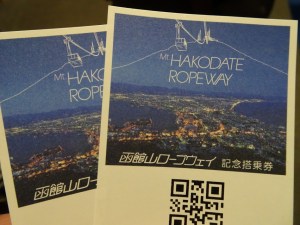
  2. Mount Hakodate ropeway.
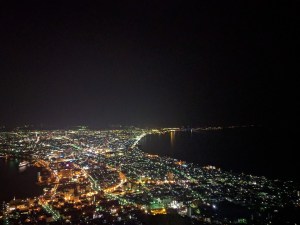
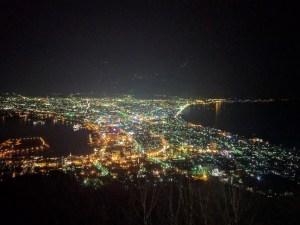
    After we checked into our hotel we walked to the ropeway that takes you to the top of mount Hakodate. The view from the top was great at night, with all of the city lights sparkling and reflecting on the water.

    121013

  3. Hakodate Morning Markets (Fish markets).
    We got up early and walked down to the fish markets. It wasn’t quite as big as Stephen and I were expecting, but there was still lots of fresh seafood available. We didn’t spend too long here (once you’ve seen one squid you’ve seen them all), so here are a few photos of the sorts of things you can find here.

    4. Motomachi area.
    Motomachi was the first area really to flourish after Hakodate started foreign trading. This led to the Western-influenced streetscape which remains now. With sloping streets offering views of the port and western-japanese fusion buildings such as foreign churches and old consulate buildings, we really enjoyed our leisurely stroll around the area.

    5. Kanemori Red Brick Warehouse area.
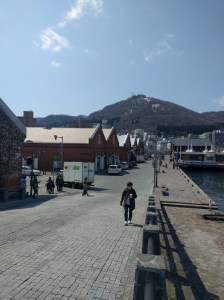
    Kanemori Red Brick Warehouse was the first commercial warehouse built in Hakodate. It now houses over 50 restaurants, cafes and souvenir shops. It’s located down at the wharf near the dock and it has a cool funky vibe.
    2627
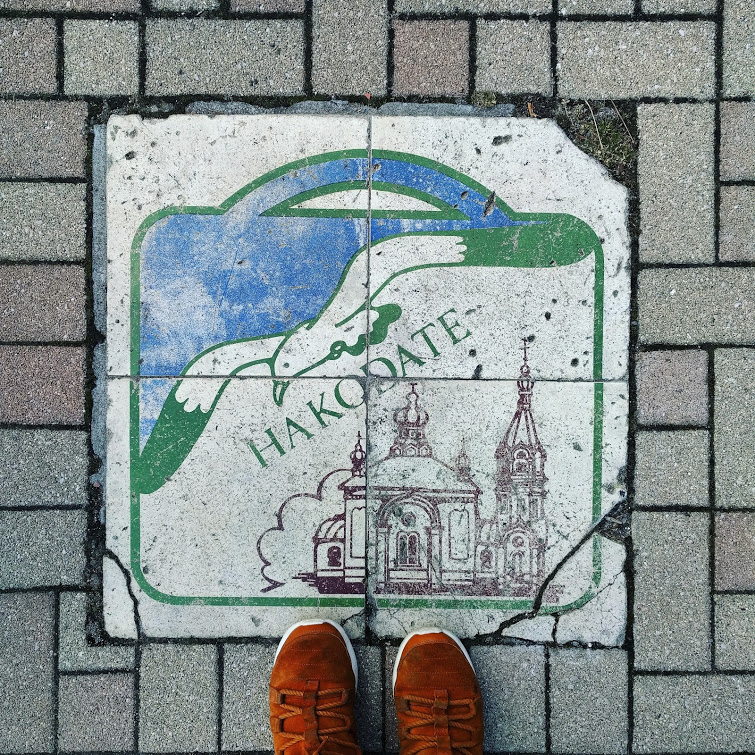
    You’re all Hakodate experts now. So let’s re-cap with these cute little tourist photo boards (note how Stephen is not in any of them! haha).
    M.

On the road again…

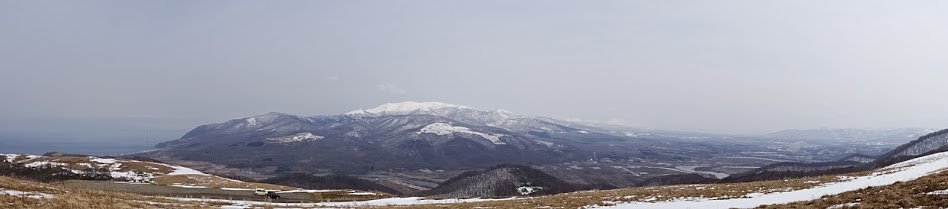
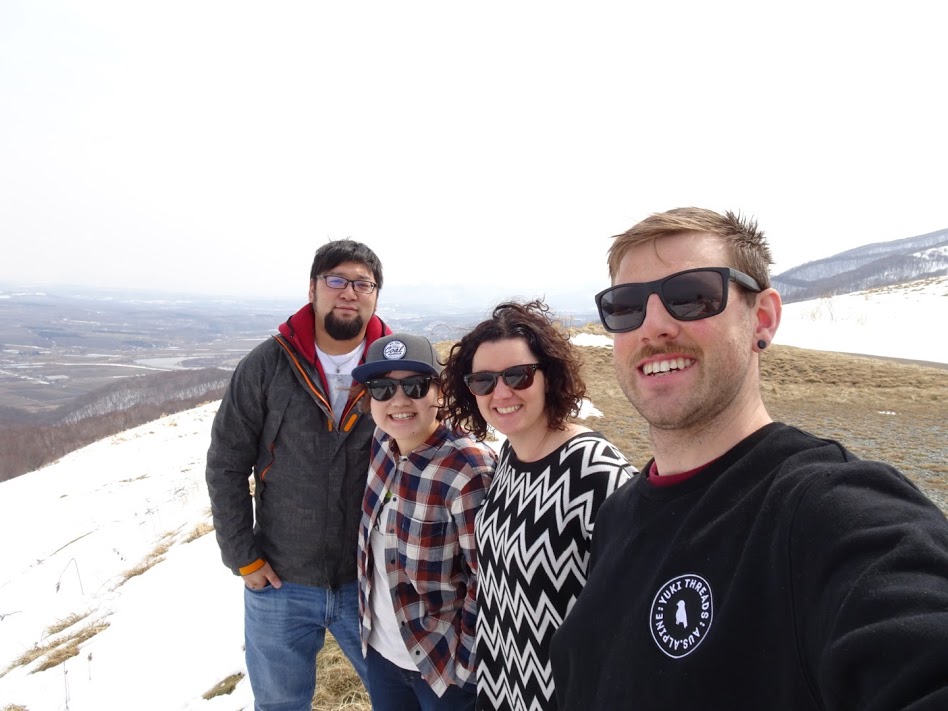
After breakfast at Marie’s family home we drove to a nearby lookout. Unfortunately visibility wasn’t the best, we could only imagine how spectacular it would be on a clear day. You can see the mountains, the ocean, and the surrounding towns. We could even see the mouth of the Shiribetsu river where it enters the sea (the river that runs through Kutchan that we used to cross every day to and from work).

87

We are now hitting the road again, headed for Hakodate. Hakodate was Japan’s first city to open it’s port to foreign trade in 1854, so there is a lot of history that we are excited to learn about and explore.


Suttsu

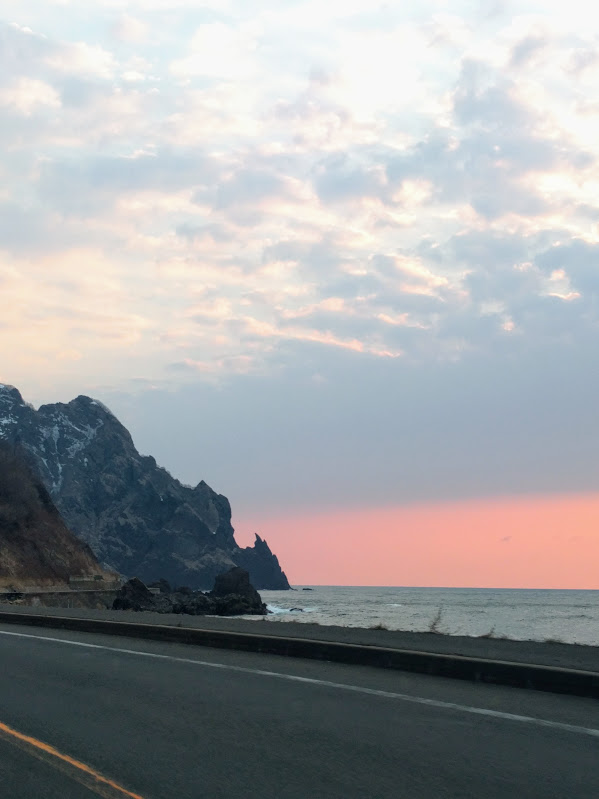
Yesterday we left Sapporo and drove to Suttsu, Marie’s home town. The drive there was quite beautiful, with a stunning sunset over the sea and rugged coastline. I couldn’t capture a great shot while we were driving, but believe me, it was great.

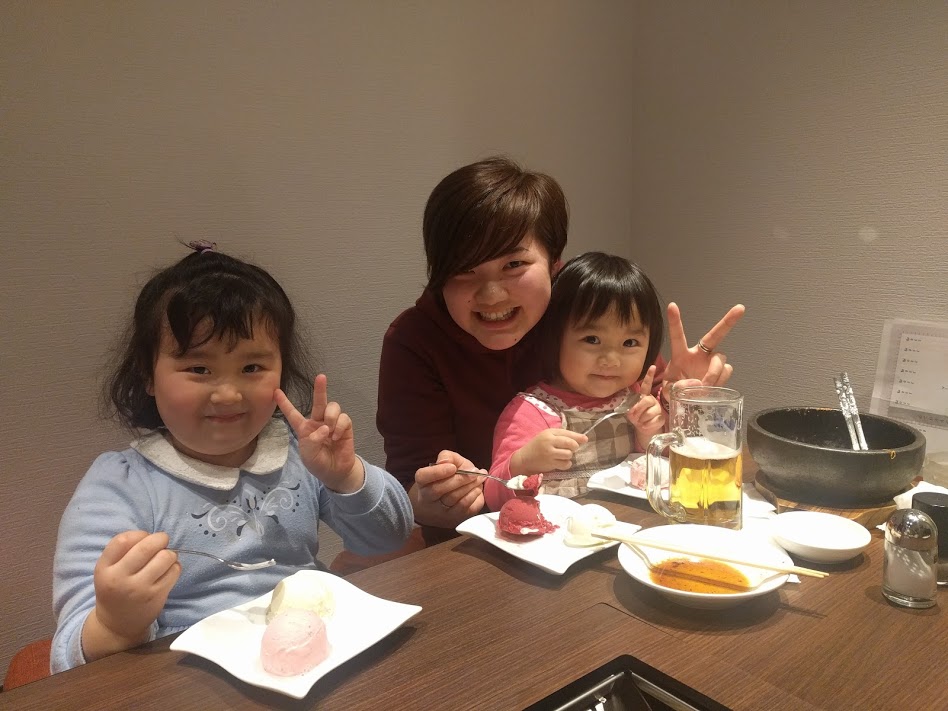
12We arrived around 6pm and after meeting Marie’s family (Mum, Dad, grandma, brother and his wife and two daughters) we went to dinner for yakiniku (BBQ meat – Stephen’s favourite)!! Marie’s family actually own the restaurant, and they shouted us dinner, which we were so grateful for and totally didn’t expect, especially because Stephen almost ate is weight in meat! The meal was sugoi oishii kata (super delicious).
3

Marie and her two nieces. 

We were also fortunate enough to stay with Marie’s family in their guest room. We slept on futons, which are so comfortable!

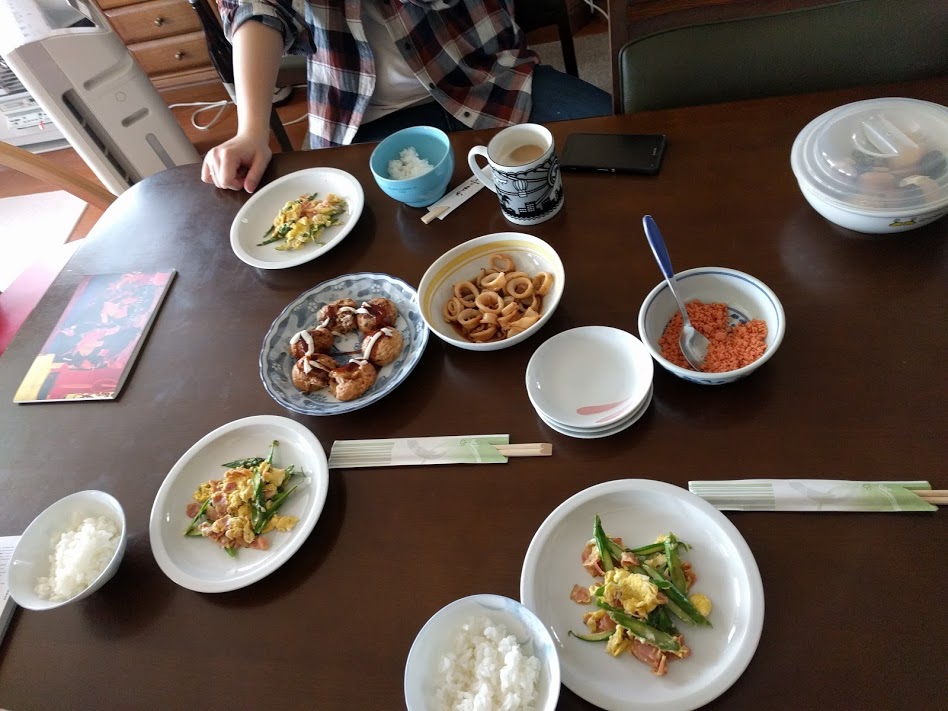
And this morning Marie’s mum treated us to a traditional Japanese breakfast: ham, eggs and asparagus, rice, salmon flakes, marinated squid and takoyaki (fried balls of octopus). It was all really tasty.

4

Breakfast.

That’s all for now.

M.